
Gout is more than an occasional painful joint. It is a form of inflammatory arthritis that can cause sudden, intense pain, swelling, redness, and tenderness, sometimes making even the light touch of a bedsheet unbearable.
While gout can affect anyone, carrying excess body weight is one of several factors that can increase the risk of developing the condition and experiencing recurring flare-ups.
The encouraging news is that gradual, sustainable weight loss may help lower uric acid levels, reduce the frequency of gout attacks, and improve overall metabolic health.
For individuals struggling to manage their weight through lifestyle changes alone, medically supervised weight management, including GLP-1–based treatment when appropriate, may offer additional support.
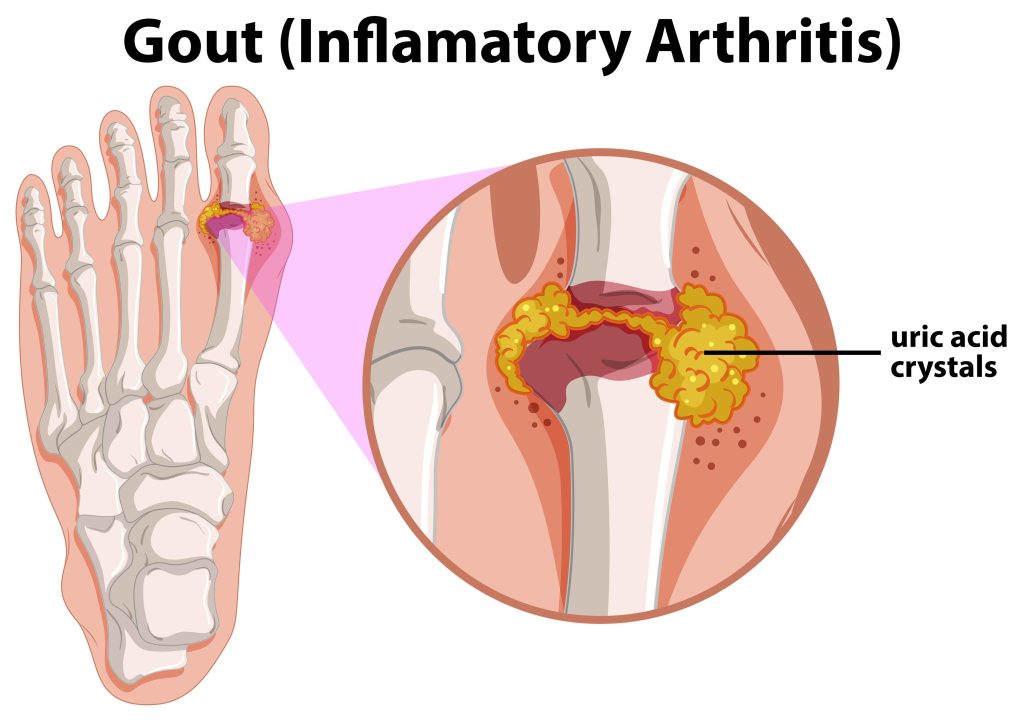
Gout develops when uric acid builds up in the blood and forms sharp, needle-like crystals in and around the joints. These crystals trigger an inflammatory response that can result in severe pain and swelling.
Uric acid is a natural waste product created when the body breaks down substances called purines. Purines are found naturally in the body's cells and in certain foods and beverages.
Normally, the kidneys filter uric acid from the blood and eliminate it through urine. However, when the body produces too much uric acid or the kidneys cannot remove enough of it, uric acid levels may rise. This condition is known as hyperuricemia.
Not everyone with elevated uric acid develops gout, but persistently high levels increase the risk of crystal formation.
Gout often affects the big toe, but it can also involve the ankles, knees, wrists, fingers, and elbows.
Symptoms may include:
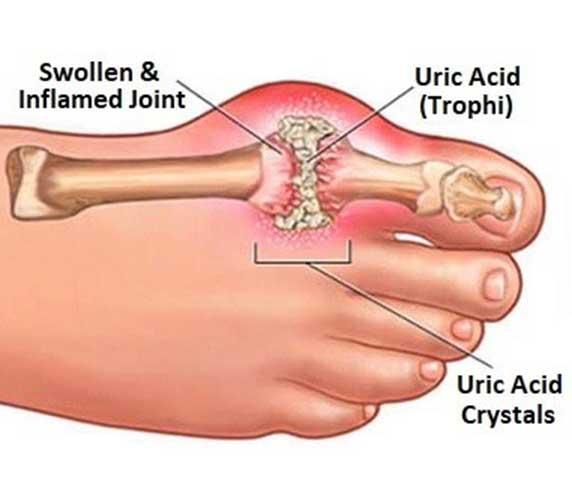
Without appropriate treatment, gout may become more frequent and lead to permanent joint damage.
Body weight plays an important role in uric acid metabolism. Research has consistently identified excess body weight as a significant, potentially modifiable risk factor for gout.
Several biological mechanisms help explain this relationship.
Excess adipose tissue, commonly known as body fat, is metabolically active. Increased body fat, particularly around the abdomen, is associated with metabolic changes that may contribute to higher uric acid levels.
Insulin resistance is common among people carrying excess body weight.
When the body becomes less responsive to insulin, circulating insulin levels may rise. Higher insulin levels can reduce the kidneys' ability to eliminate uric acid, allowing it to accumulate in the bloodstream.
This helps explain why gout frequently occurs alongside type 2 diabetes, high blood pressure, and metabolic syndrome.
Excess body fat can contribute to ongoing, low-grade inflammation throughout the body.
Although gout attacks are specifically triggered by the immune system's response to uric acid crystals, underlying metabolic inflammation may contribute to a less favorable environment for joint health.
Additional body weight increases mechanical stress on the knees, ankles, and feet.
While this pressure does not directly cause uric acid crystals to form, it can aggravate existing joint discomfort and make movement more difficult, particularly for individuals who experience gout and osteoarthritis together.
Studies suggest that sustained weight reduction in people who are overweight or living with obesity can help lower serum uric acid and may reduce gout attacks.
However, the pace of weight loss matters.
Rapid weight loss, prolonged fasting, and extreme calorie-restricted diets can temporarily increase uric acid levels and potentially trigger gout attacks.
For this reason, gradual weight reduction through balanced nutrition, physical activity, and professional medical guidance is generally preferable.
Importantly, weight loss alone may not lower uric acid sufficiently for people with established gout. Many patients still require urate-lowering medication to prevent future attacks and joint damage.
Dietary habits can influence uric acid levels, although genetics, kidney function, medications, and other health conditions also play important roles.
Reducing certain foods and beverages may help support gout management.
Consider limiting
Organ meats and large portions of red meat
Certain seafood, including anchovies and sardines
Beer and spirits
Sugary drinks containing fructose
Crash diets and prolonged fasting
Consider choosing more often
Vegetables, whole grains, and legumes
Low-fat dairy products
Water and unsweetened beverages
Whole fruits
Balanced, regular meals
Adequate hydration supports the kidneys' normal elimination of uric acid. However, individuals with kidney disease, heart failure, or fluid restrictions should follow their healthcare provider's recommendations.
A Mediterranean-style eating pattern or the DASH diet may also support cardiovascular and metabolic health.

GLP-1 receptor agonists are medications that mimic the action of glucagon-like peptide-1, a naturally occurring hormone involved in appetite regulation, blood sugar control, and digestion.
Certain GLP-1–based medications are approved for chronic weight management in eligible patients. They can help individuals feel fuller, reduce food intake, and achieve clinically meaningful weight loss when combined with appropriate lifestyle changes.
Because excess body weight and insulin resistance contribute to elevated uric acid levels, these treatments have attracted research interest for their potential indirect benefits in people with gout.
It is important to understand that GLP-1 medications are not approved specifically to treat gout, and current evidence does not establish that these medications reliably prevent gout attacks.
They are not substitutes for established gout treatments, including urate-lowering therapies when indicated.
Patients considering GLP-1 treatment should discuss their medical history, kidney function, current medications, potential adverse effects, and treatment goals with a qualified healthcare provider.
Gout is sometimes dismissed as an occasional inconvenience, especially when attacks occur months or years apart.
However, recurrent gout can indicate an ongoing problem with uric acid regulation.
Over time, untreated or inadequately controlled gout may contribute to chronic joint inflammation, joint damage, tophi, and reduced mobility.
Gout is also associated with several important health conditions, including:
These associations make gout an important reason to evaluate overall metabolic health, rather than focusing only on relieving joint pain during an attack.
For many patients with recurrent gout, clinical guidelines recommend urate-lowering treatment aimed at maintaining serum uric acid below 6 mg/dL, with individualized targets and monitoring.
A first episode of a suddenly hot, swollen joint should be evaluated promptly because a joint infection can produce similar symptoms and requires urgent care.
Managing gout is not simply about avoiding certain foods or treating painful episodes when they occur. It involves understanding the underlying factors that contribute to uric acid accumulation and addressing the broader health risks associated with the condition.
Gradual weight loss may be one meaningful part of that strategy.
Even modest, sustained improvements in body weight and metabolic health can provide benefits beyond gout management, including better blood pressure control, improved blood sugar regulation, and reduced stress on weight-bearing joints.
The goal is not rapid weight loss or achieving a particular appearance. It is building a healthier, more sustainable future with less pain and greater freedom of movement.
At Coastal Primary Care, we understand that managing body weight can be challenging, particularly when painful joint conditions such as gout make physical activity difficult.
Our medically supervised weight loss program offers individualized guidance and GLP-1–based treatment options for eligible patients.
By addressing weight management alongside overall metabolic health, our healthcare providers can help patients develop realistic goals and a sustainable approach to improving their well-being.
Whether your concerns include excess body weight, high blood pressure, blood sugar management, or joint health, professional medical guidance can help you understand your options.
Take the next step toward better health.
Contact Coastal Primary Care at (772) 489-8070 to learn more about our medically supervised GLP-1 weight loss program and schedule a consultation.
This article is provided for educational and informational purposes only and does not constitute medical advice, diagnosis, or treatment. Consult the healthcare providers at Coastal Primary Care or another qualified medical professional for personalized guidance regarding gout, weight management, and whether GLP-1 treatment is appropriate for you.
1. American College of Rheumatology — Gout. Patient information about gout, risk factors, and treatment.
2. Nielsen et al. (2017) — Weight loss for overweight and obese individuals with gout: a systematic review of longitudinal studies. Annals of the Rheumatic Diseases.
3. American College of Rheumatology — 2020 Guideline for the Management of Gout. Evidence-based recommendations for gout management.
4. National Institute of Diabetes and Digestive and Kidney Diseases — Your Kidneys & How They Work. Information about kidney function and waste elimination.
5. Centers for Disease Control and Prevention — Gout. Overview of gout, symptoms, risk factors, and management.